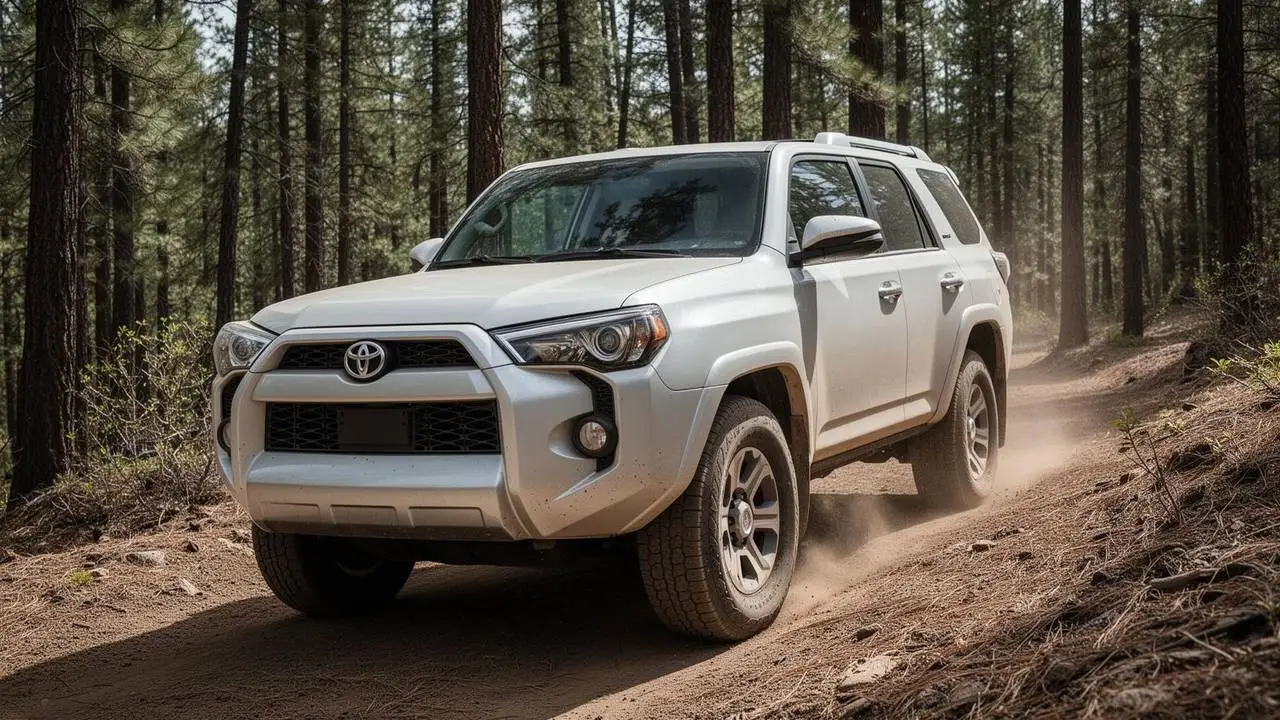
The 4Runner is legendary for reliability, but used prices are steep and some issues still show up, especially on heavily modified or high-mileage examples. Here's what to check before paying the Toyota tax.
The Most Common 4Runner Issues (and What to Check)
1) Frame Rust (The Big One)
Just like the Tacoma, frame rust is the number one concern on used 4Runners, especially those from salt states. Toyota had frame recalls for certain years.
What to Check
Red Flag
2) Lower Ball Joint Wear
Lower ball joints are a known wear item on 4Runners, especially those with lifts or larger tires. This is a safety-critical component.
What to Check
Red Flag
3) KDSS System Issues (If Equipped)
The Kinetic Dynamic Suspension System is great when it works, but repairs can be expensive. Not all 4Runners have it.
What to Check
Red Flag
4) Timing Belt or Chain Service (Depending on Year)
Older 4Runners have timing belts that need replacement. Newer ones have chains but still need inspection at high miles.
What to Check
Red Flag
5) Transmission and Transfer Case
The 4Runner's drivetrain is generally bulletproof, but check for proper operation, especially on 4WD models.
Drive Test
Red Flag
6) Mod Quality and Lift Issues
4Runners are heavily modified. Quality matters, cheap lifts cause ball joint and CV wear.
What to Check
Red Flag
Quick 4Runner Checklist
- Frame inspection: flashlight and hands-on check
- Ball joints: check for play and clunks
- 4WD operation: test all modes
- Service history: especially timing belt if applicable
- KDSS condition: if equipped, check for leaks
When to Walk Away
Deal Breakers
- Frame rust that looks structural
- Ball joint play with no plans to replace
- No service records on a high-mileage example
- KDSS leaking or non-functional
A clean 4Runner is worth every penny, they really do run forever when maintained. But because they hold value so well, sellers sometimes ask premium prices for trucks that need work. Don't skip the inspection just because it's a Toyota.