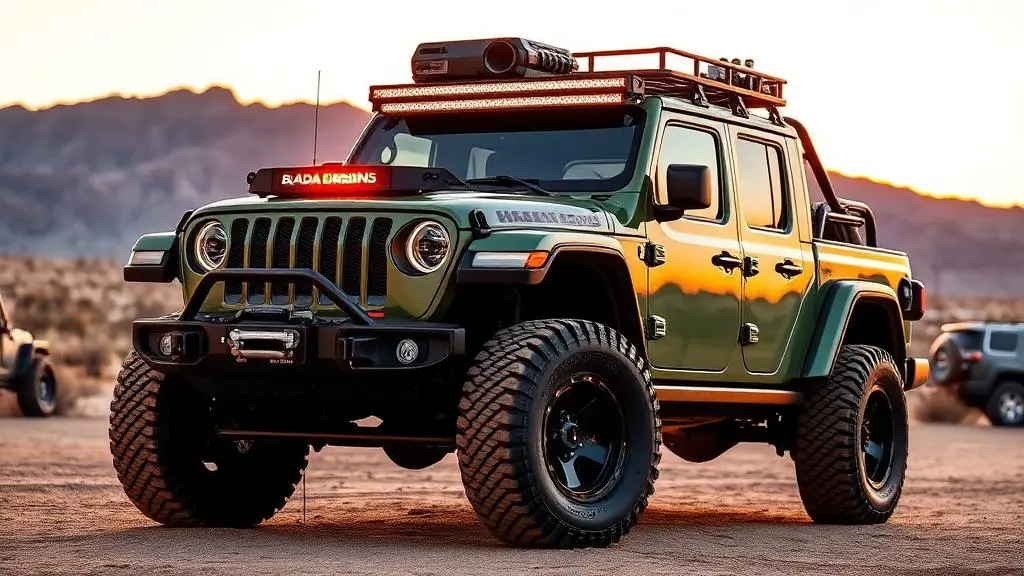
You bought a sick light bar. It looks amazing mounted above your windshield. But can you actually use it? The legal reality is more complicated than most people realize.
The General Rule
In almost every state, the law works like this:
- Installing a light bar: Legal in most states
- Having it visible on your vehicle: Legal in most states (some require covers)
- Using it on public roads: Illegal in virtually every state
Light bars are classified as "off-road use only" because they're far brighter than DOT-approved lighting and can blind oncoming drivers. Same reason you can't drive around with your high beams on in traffic, except light bars are 10-50x brighter.
State-by-State Overview
Most Restrictive States
These states have strict equipment laws and actively enforce them:
- California: Must be covered when on highway. Maximum 8 lights total.
- Texas: Four auxiliary lights max, must be off on public roads.
- New York: Strict restrictions, covers required.
- Florida: Forward-facing lights must be off on roads.
- Pennsylvania: Maximum two auxiliary lights below headlight level.
Moderate States
Restrictions exist but enforcement is less aggressive:
- Arizona: Off-road use only, covers recommended.
- Colorado: Must not impair other drivers' vision.
- Utah: Off-road use only, fewer checkpoints.
- Nevada: Similar to Arizona, enforcement varies.
More Lenient States
Laws exist but enforcement is rare:
- Montana: Few restrictions, vast rural areas.
- Wyoming: Minimal enforcement.
- Alaska: Practical considerations often override.
What's Actually Legal for Road Use
DOT-Approved Fog Lights
Fog lights are designed to cut through fog, rain, and snow without blinding other drivers. They're aimed low and wide. Most are street legal if:
- Mounted below headlight centerline
- Aimed properly (down and outward)
- Less than 3,000 lumens per light
DOT-Approved Driving Lights
Similar to fog lights but with a tighter beam pattern. Legal if DOT-compliant and properly aimed. Typically used with high beams only.
SAE/DOT Compliant Auxiliary Lights
Some manufacturers make "street legal" auxiliary lights that meet DOT standards. They're significantly dimmer than off-road light bars but can be used legally.
Common Myths Debunked
Myth: "It's only illegal if you use them in traffic"
Reality: In most states, it's illegal to use on any public road, including empty highways at night. "No traffic" doesn't mean "legal."
Myth: "Covers make it legal"
Reality: Covers satisfy the requirement that lights not be "displayed" in some states, but you still can't use them on roads.
Myth: "Cops only care about this in certain areas"
Reality: Enforcement varies, but equipment violations can be added to any traffic stop. That speeding ticket becomes a speeding + equipment violation.
Myth: "Rock lights and wheel lights are fine"
Reality: Many states restrict colored lights (especially blue and red) and underglow. Check your state's laws, some are surprisingly strict.
How to Stay Legal
1. Use Covers on Public Roads
Even if not strictly required, covers show intent to comply. A cop is less likely to write you up if your light bar is clearly covered.
2. Wire to a Separate Switch
Never wire light bars to your headlight circuit. You want a deliberate switch that you consciously flip, not something that comes on automatically.
3. Consider DOT Fog Lights for Road Use
If you want auxiliary lighting you can use on roads, invest in proper DOT-approved fog or driving lights in addition to your off-road light bar.
4. Know Your Route
If you're driving to a trail and need to cross public roads, keep the bar off and covered until you're on private/off-road terrain.
The Practical Reality
Millions of trucks and Jeeps have light bars. Most people never get tickets. But:
- If you're pulled over for anything else, expect the light bar to come up
- Equipment violations can affect insurance
- In an accident, modifications can complicate liability
- Some states do periodic equipment enforcement blitzes
Best Practice
Install your light bar, enjoy it off-road, and treat it like any other off-road modification: not for street use. Cover it or leave it off when driving on public roads. It's not worth the ticket, the insurance hassle, or (worst case) being blamed for blinding another driver before an accident.
The Bottom Line
LED light bars are incredible tools for off-road lighting. They're legal to own and install. But using them on public roads isn't legal in most places, and the penalties can be more than just a fine. Use them where they're meant to be used: off-road.