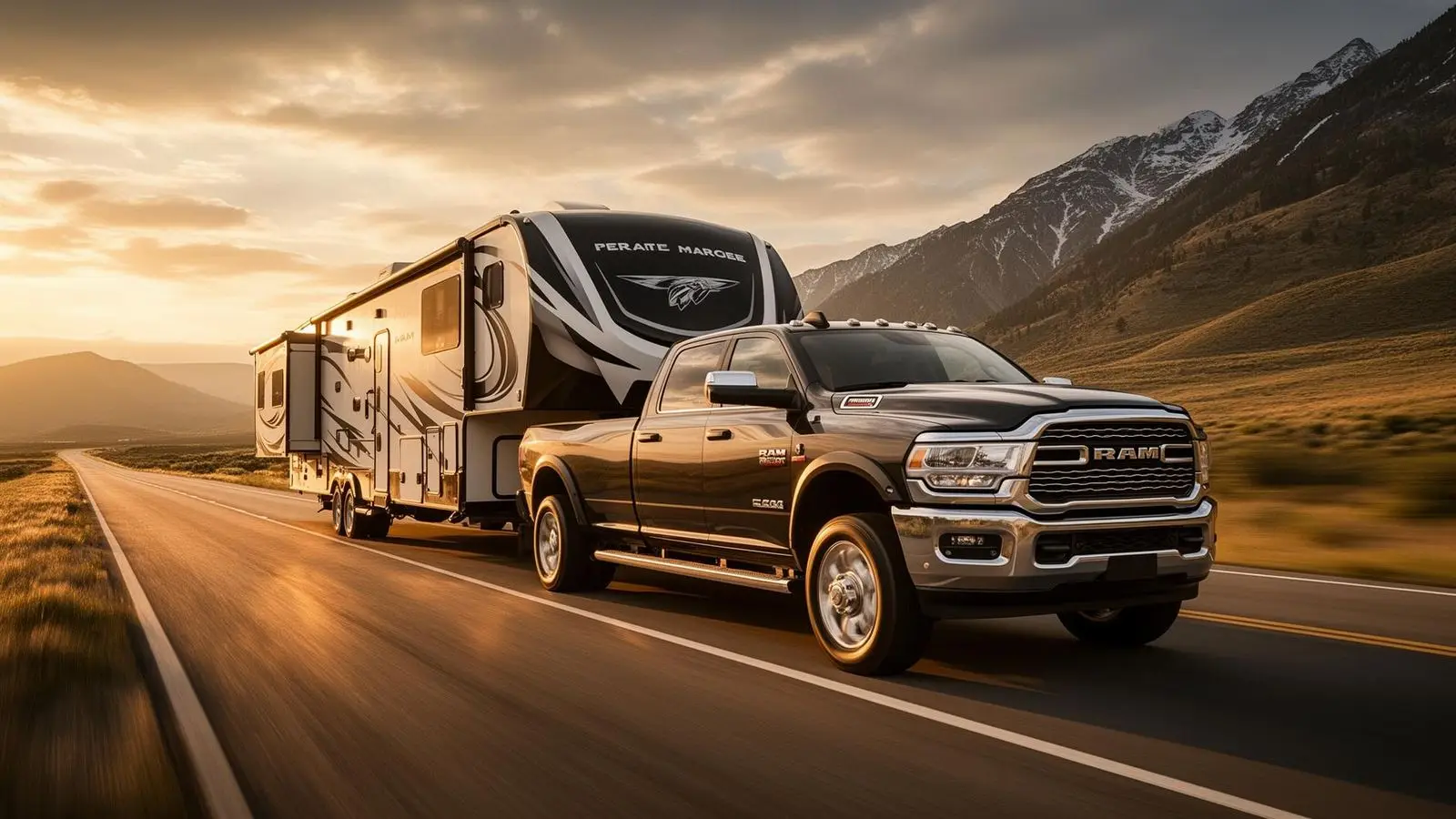
Diesel trucks have a reputation for torque, towing strength, and long-haul durability. But they also come with a different ownership experience than gas trucks, including higher upfront cost, different maintenance needs, and emissions systems that can confuse first-time buyers.
This guide is Diesel Trucks 101: a clear, detailed, beginner-friendly breakdown of what diesel trucks are, why people buy them, the pros and cons, what "diesel maintenance" really means, and how to shop smart for a used diesel truck.
What Is a Diesel Truck?
A diesel truck is a pickup powered by a diesel engine rather than a gasoline engine. Diesel engines operate differently than gas engines and are designed to produce high torque at lower engine speeds, which is why diesel trucks are often associated with:
- Heavy towing and hauling
- Long highway miles
- Commercial use and fleet work
- Durability under load
In the United States, most diesel pickups show up in the 3/4-ton and 1-ton categories (2500/250, 3500/350). Some brands have also offered diesel engines in half-ton trucks, but the most common diesel truck experience is the heavy-duty segment.
Why People Buy Diesel Trucks
1) Diesel Torque for Towing
The #1 reason buyers choose diesel: torque. Diesel trucks are well known for pulling heavy loads with less strain, especially at highway speeds and on grades.
If you tow any of these regularly, a diesel truck is often a strong fit:
- Travel trailers and fifth wheels
- Large boats
- Enclosed car trailers
- Equipment trailers
- Work loads where weight is consistent
2) Better Fuel Economy Under Load
A diesel truck can be more fuel efficient than a gas truck when towing, especially for long distances. That matters if your truck spends real time hauling heavy weight.
3) Longevity and Long-Distance Use
Many diesel owners choose diesel because they put serious miles on their truck. Diesel engines are commonly built for hard work and long life, but only if the truck is maintained properly.
4) Resale Value for the Right Buyers
Used diesel trucks can hold value well because there's consistent demand among towing-focused owners, contractors and work fleets, and enthusiasts building high-torque rigs.
Diesel vs Gas Truck: What's the Real Difference?
Diesel Trucks Are Better For
- Towing heavy weight regularly
- Long highway mileage
- Consistent load use (work and towing)
- Drivers who maintain on schedule
Gas Trucks Are Better For
- Lighter towing or occasional towing
- Mostly city driving
- Lower ownership complexity
- Lower repair and maintenance costs
A good rule: If you tow heavy a few times a year, a gas truck is often enough. If you tow heavy often, drive long distances, or use your truck for work, diesel becomes more appealing.
The Pros and Cons of Diesel Trucks
Pros of Diesel Trucks
- Strong towing performance and torque
- Confident highway towing and hill climbing
- Efficient for long-distance driving
- Often holds value well in towing markets
- Built for heavy-duty use
Cons of Diesel Trucks
- Higher purchase price (new and used)
- Higher maintenance costs
- Emissions systems add complexity
- Repairs can be expensive if neglected
- Short-trip driving can cause issues on modern diesels
Modern Diesel Emissions Systems Explained (DEF, DPF, EGR)
This is where most beginners get confused, so here's the plain-English breakdown. Most modern diesel pickups include emissions equipment designed to reduce pollutants.
DEF (Diesel Exhaust Fluid)
DEF is a fluid added to the truck (separate tank) that helps reduce emissions. You'll refill it periodically. Many trucks will warn you well in advance when DEF is low.
DPF (Diesel Particulate Filter)
DPF captures soot. Over time, it needs to burn soot off through a process called regeneration or "regen."
EGR (Exhaust Gas Recirculation)
EGR recirculates some exhaust gases to help lower emissions temperatures and reduce NOx.
Why Emissions Matter for Used Diesel Trucks
Diesel Truck Maintenance: What to Expect
A diesel truck is not "maintenance free." It's a work machine, and it rewards owners who stay on top of service.
Oil Changes
Diesel oil changes can cost more due to larger oil capacity, higher-quality oil requirements, and heavy-duty filters.
Fuel Filters
Diesels often require fuel filter service more regularly than gas trucks. Clean fuel is critical to protect the fuel system.
Air Filter
A clogged air filter can hurt performance, efficiency, and reliability.
Cooling System Care
Diesels work hard, especially under tow. Proper coolant health matters.
Emissions-Related Service
This can include monitoring regen behavior, addressing sensor issues, and servicing components if they fail.
Key Takeaway
Diesel Truck Ownership: Who Should Buy a Diesel Pickup?
A Diesel Truck Is a Great Choice If You
- Tow heavy loads frequently
- Drive long distances weekly
- Use the truck for work under load
- Want strong towing performance and long-term durability
- Are comfortable maintaining on schedule
A Diesel Truck May Not Be the Best Fit If You
- Mainly drive short city trips
- Rarely tow
- Want the lowest possible ownership costs
- Don't want to deal with DEF, regen, and emissions systems
Buying a Used Diesel Truck: What to Check (Beginner Checklist)
Used diesel trucks can be an excellent value, but they can also become expensive quickly if you buy the wrong one.
1) Maintenance Records Matter More Than Miles
A high-mile diesel with documented service can be a better buy than a lower-mile diesel with unknown history.
Ask for records of:
- Oil changes
- Fuel filter changes
- Cooling system service
- Major repairs (injectors, turbo, transmission work)
2) Ask How the Truck Was Used
This is a high-signal question. You want to know:
- Was it a tow rig?
- Was it a work truck?
- Was it mostly short trips?
- Was it mostly highway miles?
Highway miles under light load can be easier on the drivetrain than city driving.
3) Look for Signs of Neglect
Walk Away If You See
- Heavy smoke under acceleration (unusual)
- Warning lights ignored
- Rough idling or inconsistent power
- Hacked wiring, questionable modifications
- Unknown tuning without supporting upgrades
4) Test Drive It Correctly
During the test drive:
- Let it warm up fully
- Check for smooth acceleration
- Listen for turbo whine that sounds abnormal
- Pay attention to shifting behavior
- Check for vibrations under load
5) Get a Professional Inspection
If you're spending serious money, a diesel-focused inspection can save you thousands. Diesel repairs are not the place to gamble.
Common Diesel Truck Terms (Simple Definitions)
- Turbocharger (turbo), Uses exhaust flow to increase power and efficiency
- Injector, Delivers fuel into the engine; important and expensive if they fail
- Regen, Process where the truck burns off soot in the DPF
- DEF, Fluid used to reduce emissions in modern diesels
- DPF, Filter that captures soot
- EGR, Emissions system to reduce NOx
- Tow rating, Maximum trailer weight the truck can tow (varies by setup)
- Payload, How much weight the truck can carry in the bed/cab
- GVWR, Total allowed weight of truck + cargo
Diesel Truck Fuel Economy: What to Expect
Diesel trucks can be efficient on the highway, but efficiency depends on:
- Tire size and gear ratio
- Whether the truck is lifted
- Towing weight and wind resistance
- Driving style and speed
A diesel truck towing heavy at highway speeds can often feel more relaxed than a gas truck because of torque, even if the MPG difference is not huge.
Quick FAQ: Diesel Trucks for Beginners
Are diesel trucks worth it?
They can be worth it if you tow heavy regularly, drive long distances, or use your truck for work. If you mostly drive short trips and rarely tow, gas is usually a better value.
Do diesel trucks last longer than gas trucks?
They can, especially when maintained properly and driven regularly at operating temperature. Neglect and short-trip use can shorten lifespan on modern diesels.
What is DEF and do I need it?
Most modern diesel pickups use DEF. You'll refill it periodically. It's normal and part of ownership.
Is a used diesel truck a good idea?
Yes, if it has maintenance records, was used responsibly, and passes an inspection. Avoid unknown tuning, poor service history, and warning lights.
Final Take: Diesel Trucks 101 Comes Down to Use Case
A diesel truck is not automatically "better." It's better for specific needs. If your life involves towing, long drives, and real truck work, a diesel can be a powerful long-term tool. If your driving is mostly short trips and light loads, you can save money and stress with a gas truck.
The Bottom Line